
Key Takeaway:
If you have a plumbing emergency after hours, call Plumb Pro+ immediately at (843) 974-4620; we provide 24/7 emergency appointment scheduling throughout the Charleston area. While waiting for our arrival, shut off your main water valve to prevent further damage, move valuables away from water, and contain flooding with towels or buckets. Never attempt repairs on gas lines, major leaks, or sewage backups yourself. The most critical action is knowing where your main shut-off valve is located before an emergency occurs, as this single piece of knowledge can prevent thousands of dollars in water damage. Prevention through monthly inspections is equally important; the EPA reports that the average household wastes 9,300 gallons of water annually from leaks that could be caught early. This guide covers the most common plumbing emergencies, essential prevention steps, and exactly what to do when professional help is needed to protect your Charleston home.
Common Plumbing Emergencies
Here are the most typical plumbing emergencies and signs of plumbing problems:
Burst Pipes and Major Leaks
Several factors can cause pipes to burst:
- Freezing temperatures: Water expands when it freezes, creating pressure that can crack or burst pipes. This issue commonly affects water sprinkler lines and water supply pipes in unheated areas, such as basements and crawl spaces.
- Corrosion: Older pipes made of galvanized steel or copper can deteriorate over time. The pipe walls weaken and eventually develop leaks or ruptures. Hard water and acidic soil conditions speed up the damage.
- High water pressure: Excessive pressure can strain your pipes and cause joints to fail or weak spots to rupture. Standard residential pressure should stay around 40-60 psi.
- Water hammer: The sudden stop of flowing water creates a shockwave through your plumbing system, which damages pipes and fittings over time. Repeated water hammer events eventually lead to leaks at connection points.
- Ground movements: Shifting soil or settling foundations can place stress on underground pipes and cause them to crack or separate at joints. Areas with expansive clay soil are especially vulnerable to these types of failures.
Signs of a major leak include:
- Visible water pooling.
- Water stains on walls or ceilings.
- A sudden drop in water pressure.
- The sound of running water when all fixtures are off.
- An unexpectedly high water bill.
If you suspect a leak in your home, professional leak detection services can locate the source and recommend solutions.
Clogged Drains and Sewer Backups
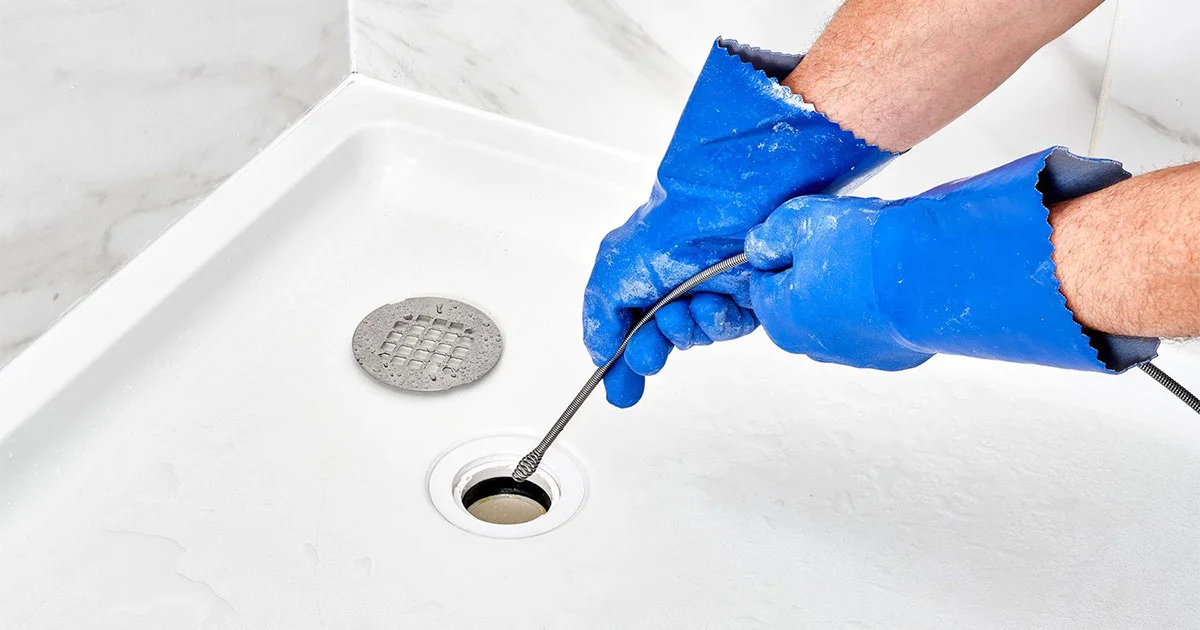
A simple clog in a single drain often responds well to basic clearing methods, but multiple slow drains throughout your home may indicate a more serious blockage in your main sewer line. Sewer backups can cause water and waste to flow back into your home through toilets, tubs, and floor drains.
Warning signs of a sewer line issue include gurgling sounds in multiple drains, water backing up in unexpected places when you use fixtures, and slow drainage that persists despite clearing individual drains. Regular drain cleaning helps prevent buildup and keeps your plumbing system flowing smoothly.
Water Heater Malfunctions
Your water heater works hard to provide hot water for showers, dishes, and laundry. It might need attention if:
- There’s no hot water.
- Water pools around the base of the tank.
- The water is rust-colored.
- It’s making unusual noises.
A leaking water heater tank requires immediate action because the leak can worsen quickly and cause extensive water damage. Professional water heater repair technicians can diagnose the issue and suggest the best solution for your situation.
Overflowing Toilets and Fixtures
A clogged toilet can overflow and spread contaminated water across bathroom floors. Overflows often happen when drain clogs combine with running faucets or fixtures left on accidentally. Installing overflow drains and maintaining clear drainage helps reduce the risk of water damage.
Your Preventive Plumbing Emergency Checklist
A few simple maintenance habits can help you prevent plumbing emergencies.
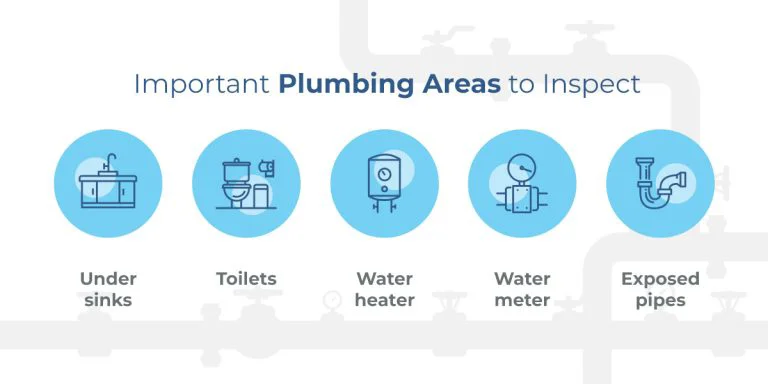
Perform Regular Inspections
Set aside time each month to inspect your plumbing system. According to the EPA, the average household’s leaks waste 9,300 gallons of water every year. Catching issues early prevents costly repairs.
- Under sinks: Check cabinet floors and walls for moisture or water stains. Look for mineral deposits around pipe connections, which often appear before visible drips start. It also helps to run your hand along accessible pipes to feel for dampness.
- Toilets: Inspect the area around the base for water stains or soft flooring, which can indicate a failing wax ring seal. Flush the toilet and listen for running water that continues after the tank refills.
- Water heater: Examine the tank for rust spots, moisture on the floor beneath it, or corrosion on the pressure relief valve. Scan the area around pipe connections at the top of the tank, too.
- Water meter: The EPA recommends checking your meter before and after a two-hour period when no water is being used. If the meter reading changes during this time, you likely have a leak somewhere in your system.
- Exposed pipes: Look at visible pipes in basements, crawl spaces, and under cabinets for corrosion, mineral deposits, or bulging sections. Also, assess pipe fittings and joints for discoloration that might signal a slow leak.
Protect Your Pipes from Freezing
Basements, crawl spaces, attics, and garages are especially vulnerable when temperatures drop. The Federal Alliance for Safe Homes recommends insulating both hot and cold water lines in these areas.
If any of your pipes are located in uninsulated areas, it’s best to let your faucets drip to keep water moving when temperatures fall below freezing overnight. Keep cabinet doors under sinks open to allow heated air to circulate. Your thermostat should remain at least 55° Fahrenheit, even when you travel.
Before the first hard freeze arrives, disconnect garden hoses and drain outdoor faucets completely. Interior shut-off valves supplying outdoor hose bibs should also be closed. Cracks and openings in exterior walls near pipes create pathways for cold air, so seal them with caulk.
Know What Not to Flush or Pour Down Drains
Never pour grease, fats, or oils down your kitchen drain because they solidify as they cool and coat pipe walls. Coffee grounds, eggshells, and fibrous foods like celery can accumulate and create stubborn clogs. You should use drain screens to catch debris and scrape plates into the trash before washing them. In the bathroom, avoid flushing dental floss, medications, cotton swabs, and products labeled as flushable wipes, which do not break down like toilet paper.
Signs That You Need an Emergency Plumber Immediately
Call an emergency plumber right away if you experience any of these situations:
- Major flooding or water you can’t stop
- A complete loss of water throughout your home
- Sewage backing up into your systems
Note: If you smell gas, evacuate immediately and call 911 before contacting a plumber. Gas situations require specialized emergency response to protect your safety.
Establishing a relationship with a reliable plumbing service before an emergency occurs gives you peace of mind. They know your home and have specialized tools to diagnose problems accurately and implement lasting solutions.
What to Do During a Plumbing Emergency Until the Plumber Arrives
After you call your plumber, take these three steps:
1. Shut Off Your Water Main
Your main shut-off valve controls water supply to your entire home and is typically located in your basement or crawl space. It might also be near your water meter, in a utility closet, or along an exterior wall. Turn the valve clockwise to close it completely and stop water flow. If you cannot locate your main shut-off valve during an emergency, contact your water utility company for guidance.
2. Contain the Immediate Damage
Once you’ve stopped the water flow, focus on protecting your belongings and preventing further damage. Move furniture, electronics, and valuables away from standing water to dry areas of your home. Place buckets under active drips and use towels or mops to soak up standing water. If water is near electrical outlets or appliances, turn off electricity to the affected area at your breaker panel.
3. Prepare for Your Plumber’s Arrival
Clear a path to the problem area, so your plumber can access it easily. Write down when you first noticed the issue, what you observed, and any actions you have already taken. Note any important details, such as the age of your plumbing system, prior repairs, and any applicable warranties. Having this information ready helps your plumber diagnose the problem more quickly and recommend the most effective solution.
Frequently Asked Questions About After-Hours Plumbing Emergencies
Q: What do I do if I have a plumbing emergency after hours?
A: Call Plumb Pro+ immediately at (843) 428-5417; we provide 24/7 emergency plumbing appointment scheduling throughout the Charleston area. While waiting for us to arrive, shut off your main water valve (typically in your basement or near your water meter), move valuables away from water, and contain the damage with towels or buckets. If water is near electrical outlets, turn off power at the breaker. Do not attempt to flush toilets or use drains if sewage is backing up.
Q: Does Plumb Pro+ charge extra for after-hours emergency service?
A: Emergency service rates apply for calls outside regular business hours, but we believe in transparent, upfront pricing. When you call, we’ll provide a clear estimate before arriving. Having a trusted plumber you can call any time gives you peace of mind, and early intervention often prevents more costly damage than waiting until morning.
Q: Where is my main water shut-off valve located?
A: Your main shut-off valve is typically in your basement or crawl space, near your water meter, in a utility closet, or along an exterior wall near where the water line enters your home. Turn it clockwise to close completely. We recommend locating this valve before an emergency occurs and labeling it clearly. If you cannot find it during an emergency, contact your water utility company or call us for guidance
Q: What qualifies as a true plumbing emergency?
A: Call for immediate emergency service if you experience major flooding or water you can’t stop, complete loss of water throughout your home, sewage backing up into fixtures, burst pipes, or significant leaks causing active damage. If you smell gas, evacuate immediately and call 911 first, then contact us. Issues like a single slow drain or a dripping faucet can typically wait until regular business hours.
Q: Will my homeowner’s insurance cover the emergency plumbing repair?
A: Coverage varies by policy. Most homeowner’s insurance covers sudden, accidental damage like burst pipes but not gradual damage from lack of maintenance. After addressing the emergency, document everything with photos and keep all receipts. We provide detailed invoices that clearly describe the work performed. Contact your insurance agent to understand your specific coverage and file claims promptly.
Partner With Plumb Pro+ for Reliable Solutions
At Plumb Pro+, we offer 24/7 emergency plumbing services to homeowners throughout the Summerville, Charleston, Goose Creek, and Hilton Head areas, backed by over 1,000 5-star customer reviews.
Call (843) 428-5417, and our team will arrive within 30 minutes to 1 hour. While we’re there, our certified technicians will also inspect your system for free to ensure it remains in tip-top condition. Don’t hesitate — call now for assistance.
About Our Author
Anthony Faulkenberry: Service Manager-Plumbing:
10+ years of experience in the plumbing service industry. 2 years at Trident Tech. If it has drains, water lines, or gas, I specialize in it. I have comprehensive plumbing training for sewer systems, water distribution, and gas lines.