Sewer Line Problems: How to Recognize and Address Them Early
Key Takeaway:
Your sewer line likely needs replacement if you’re experiencing multiple warning signs simultaneously: slow drainage in several fixtures, persistent sewage odors, frequent gurgling sounds, and wet patches or unusually lush grass in your yard. While a single slow drain indicates a localized clog, the combination of these symptoms points to main sewer line failure requiring professional attention. Charleston homes built before 1980 with original clay or cast iron pipes are particularly at risk, as these materials typically reach the end of their 50-60 year lifespan during this period. A practical decision framework is this: if professional camera inspection reveals damage affecting more than 30-40% of the line, replacement provides better long-term value than patching multiple problem areas. Modern trenchless technology now allows most replacements to be completed in one day with minimal property disruption and 50+ year warranties. This guide helps you recognize the warning signs early, understand why Charleston’s environment accelerates sewer line deterioration, and choose between repair and replacement options with confidence.
Common Warning Signs of Sewer Line Problems
Your home’s plumbing system provides clear signals when the main sewer line needs attention. Recognizing these common sewer line issues allows you to schedule repairs at your convenience rather than dealing with an emergency. When multiple symptoms appear together, they typically indicate a main sewer line problem rather than individual fixture issues. Our technicians use these same warning signs to assess sewer line conditions.
1. Multiple Fixtures Draining Slowly
A single slow drain usually indicates a localized clog in that fixture’s branch line. When your kitchen sink, bathroom drains, and toilet all drain slowly, the blockage is typically in the main sewer line. Your main sewer line is like the trunk of a tree, with individual fixture drains as branches. When the trunk is blocked, all branches are affected.
Run your washing machine and watch the nearby floor drains. If water backs up during the wash cycle, you have a main line blockage requiring professional attention. This widespread drainage issue rarely resolves on its own and typically worsens without professional treatment. Main line blockages require specialized equipment beyond standard household drain tools.
2. Sewage Odors Around Your Home
Sewer gas produces a distinctive rotten egg odor. Unlike temporary smells, sewer gas odors persist and strengthen near drains or outside your home. When you smell sewage outside, it indicates cracks or loose joints in your sewer line that will worsen without repair. Note where odors are strongest, as smells near your foundation suggest issues close to your house, while yard odors typically indicate problems further down the line.
3. Unusual Sounds From Drains and Toilets
Gurgling occurs when air cannot flow properly through your plumbing vents. A main line blockage traps air, forcing it back through fixture drains and creating the distinctive gurgling sound. Sewer line gurgling is deeper, longer, and often occurs when you’re not using that specific fixture, such as hearing toilet gurgling when running the dishwasher. Frequent gurgling from multiple fixtures suggests obstruction requiring prompt attention.
4. Wet Areas or Lush Grass Patches in Your Yard
Unusually green or lush grass patches often indicate sewage leaking underground. While the enhanced growth might seem positive, it signals a problem requiring attention. These areas may progress to soggy ground as the leak enlarges. Underground sewage leaks can undermine foundations and damage landscaping. This symptom is particularly noticeable during Charleston’s drier months when one area remains vibrant while the surrounding grass struggles.
What Causes Sewer Line Damage?
Charleston’s coastal location creates conditions that particularly challenge underground infrastructure. These common sewer line issues help homeowners recognize why problems occur in our area.
1. Tree Root Intrusion
Tree roots naturally seek water and are attracted to nutrients in sewer lines. They can detect pipes from 50 feet or more. Roots enter small cracks or loose joints, then expand rapidly, widening openings and potentially causing pipes to crack or collapse. Charleston’s mature live oaks and palmettos have aggressive root systems. Sandy soil allows easy underground travel, while a year-round growing season means continuous root activity.
2. Aging Infrastructure and Pipe Materials
Most Charleston homes built before 1980 have clay or cast iron sewer pipes with 50-60-year lifespans. Cast iron pipes develop rust from the inside out, while clay pipes become brittle and crack over time. Charleston’s sandy soil shifts with weather, stressing rigid pipe materials and causing joints to separate. Historic homes offer character and value, but they also require infrastructure updates as original systems reach the end of their service life.

3. Coastal Environmental Challenges
Salt air from our coastal environment accelerates corrosion of underground metal pipes. Sandy soil shifts frequently — heavy rains wash soil from pipes, while dry periods cause settling. Charleston’s high water table means sewer lines operate in consistently moist conditions, accelerating corrosion and making it easier for tree roots to locate pipes.
How to Get an Accurate Diagnosis
Many homeowners first try drain cleaners or basic snaking. While this approach is understandable, main sewer line issues require accurate diagnosis for effective solutions. The line runs 3-6 feet underground, and without seeing inside, any repair involves guesswork. Professional diagnosis costs less than repeated wrong fix attempts and prevents emergency repair costs.
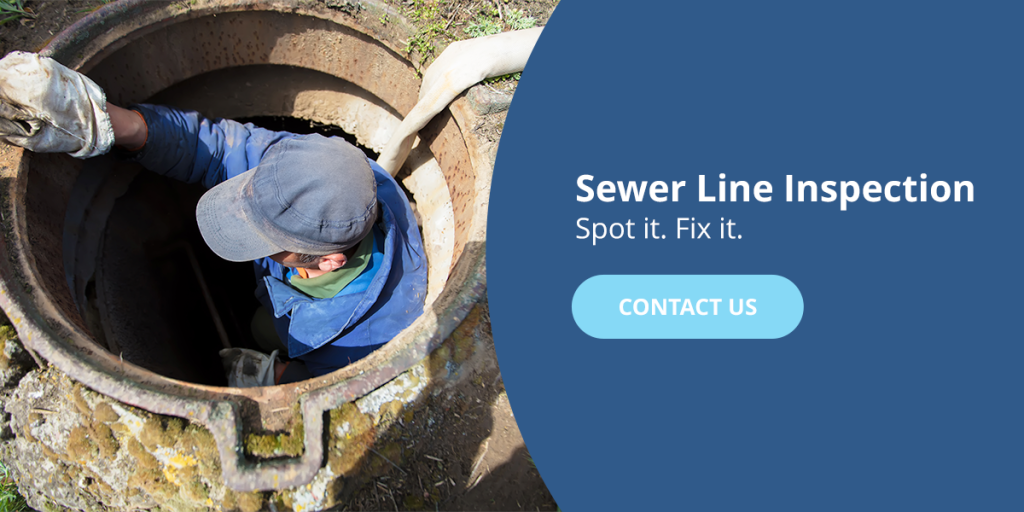
Sewer camera inspection uses a waterproof, high-definition camera on a flexible cable inserted through existing access points. The inspection shows the exact location, type, and severity of problems, allowing you to see tree roots, pipe cracks, or blockages directly. This visual evidence eliminates uncertainty about needed repairs and provides documentation valuable for insurance or home sales.
Understanding Your Repair Options
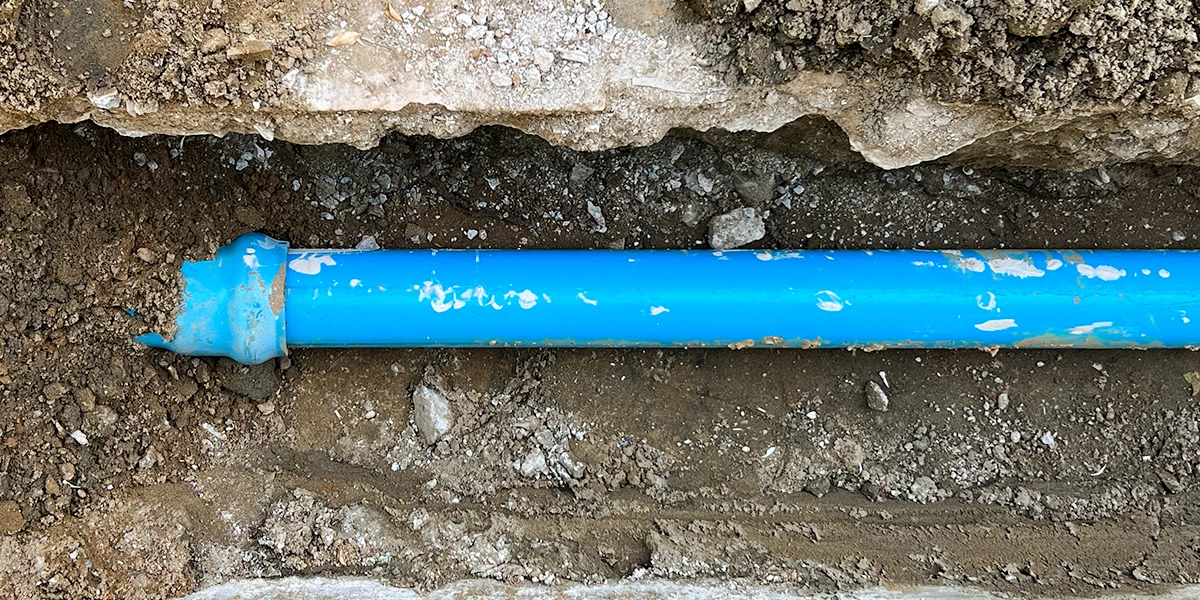
For repair work, you can choose between traditional excavation and trenchless methods. Both effectively address sewer line problems but differ in their processes, timelines, and property impacts. The best method depends on pipe condition, property layout, codes, and your priorities. Traditional excavation has been successfully repairing sewer lines for decades. Trenchless technology offers newer approaches that minimize property disruption.
1. Traditional Excavation Repair
Traditional excavation has been successfully repairing sewer lines for decades. This approach involves:
- Excavating a trench to expose damaged pipe sections for replacement or repair.
- Removing landscaping and potentially affecting driveways or walkways along the pipe route.
- Two to four days for completion, plus additional time for landscaping and hardscaping restoration.
2. Trenchless Repair Technology
Trenchless technology offers newer approaches that minimize property disruption. This method includes:
- Rehabilitating or replacing sewer lines from inside using existing access points through pipe lining or pipe bursting.
- Minimal landscaping disruption with most repairs completed in one day.
- New materials that provide 50-plus-year warranties and resist root intrusion and corrosion.
Frequently Asked Questions About Sewer Line Replacement
Q: How do I know if my sewer line needs replacement?
A: Your sewer line likely needs replacement if you experience multiple warning signs together: slow drainage in multiple fixtures, persistent sewage odors around your home or yard, frequent gurgling from drains and toilets, wet spots or unusually lush grass patches in your yard, or frequent backups despite professional cleaning. Homes built before 1980 with original clay or cast iron pipes are especially at risk, as these materials typically last 50-60 years. A professional sewer camera inspection provides a definitive diagnosis by showing the exact condition, location, and severity of damage
Q: Can a damaged sewer line be repaired, or does it always need replacement?
A: It depends on the extent and type of damage. Minor cracks or isolated root intrusion can often be repaired using spot repairs or pipe lining. However, widespread corrosion, multiple breaks, collapsed sections, or pipes that have reached the end of their service life typically require full replacement. A sewer camera inspection reveals the true condition—if damage affects more than 30-40% of the line, replacement usually provides better long-term value than patching multiple problem areas
Q: How much does sewer line replacement cost in Charleston?
A: Costs vary based on pipe length, depth, location, access, and repair method chosen. Traditional excavation typically costs less upfront but requires landscaping restoration. Trenchless methods have higher initial costs but include 50+ year warranties and cause minimal property disruption, often making them more cost-effective overall. Plumb Pro+ provides transparent estimates after camera inspection so you understand exactly what’s needed and can make an informed decision. Emergency repairs after complete failure typically cost several times more than planned replacement.
Q: What is trenchless sewer line replacement?
A: Trenchless sewer line replacement uses advanced technology to repair or replace pipes from inside using existing access points, eliminating the need to dig up your entire yard. The two main methods are pipe lining (inserting a resin-coated liner that hardens to create a new pipe within the old one) and pipe bursting (breaking the old pipe while simultaneously pulling new pipe into place). Benefits include one-day completion, minimal landscaping disruption, 50+ year warranties, and resistance to root intrusion and corrosion.
Q: How long does sewer line replacement take?
A: Timeline depends on the method and scope. Trenchless replacement typically completes in one day, though complex cases may require two days. Traditional excavation takes two to four days for the repair work itself, plus additional time for landscaping and hardscape restoration afterward. Weather can impact excavation timelines. During the work, your home’s plumbing remains functional in most cases, though you may need to limit water use at certain stages.
Q: Will my homeowner’s insurance cover sewer line replacement?
A: Standard homeowner’s insurance typically does not cover sewer line repair or replacement, as these are considered maintenance issues rather than sudden, accidental damage. However, some policies offer optional sewer line coverage as an add-on, and damage to your home’s interior caused by a sewer backup may be covered under certain circumstances. Review your policy carefully and consider adding sewer line coverage if available. Many utility companies also offer sewer line insurance programs.
Early Action Prevents Costly Sewer Line Emergencies
Knowing how to recognize if your sewer line is broken allows you to address problems promptly, saving you money and protecting your property. Planned repairs cost significantly less than emergencies, which often require immediate, costly remediation services and can run several times higher.
Understanding the causes of a sewer line backing up helps you avoid complete failure, where sewage backs up through floor drains into living areas, creating health hazards and extensive property damage that demands professional restoration. Beyond your home, leaking sewer lines contaminate groundwater and can affect neighboring properties. Taking early action also provides long-term benefits, and properly documented repairs enhance your home’s value and give future buyers peace of mind.
Schedule a Sewer Line Inspection With Plumb Pro+
Plumb Pro+ is a family-owned company with two locations serving Charleston, Goose Creek, Hilton Head, and surrounding areas. We offer both residential and commercial sewer line services, from diagnosis through repairs, backed by our 10-year Worry Free Guarantee. Our strategic, quality-first approach means our certified technicians handle only three calls per day, ensuring thorough, trustworthy service that protects your home and gives you peace of mind.
Contact our local team for reliable service. Schedule a video camera inspection or request a free estimate today.