9 Tips to Better Control the Temperature of Your Home
Maintaining a comfortable temperature in every room of your home can be challenging, especially when some rooms are too hot while others are too cold. Here are some practical tips to help you achieve a balanced and comfortable indoor climate.
-
Ensure that all vents and registers are open and unobstructed. Some things that can get in the way are furniture and rugs that are covered with vents. Blocked vents can restrict airflow, causing temperature imbalances. It could make the ductwork in the home sweat also causing damage to other components in the HVAC system and the home. Regular cleaning of them about every 5 years will prevent dust buildup and poor air quality.
-
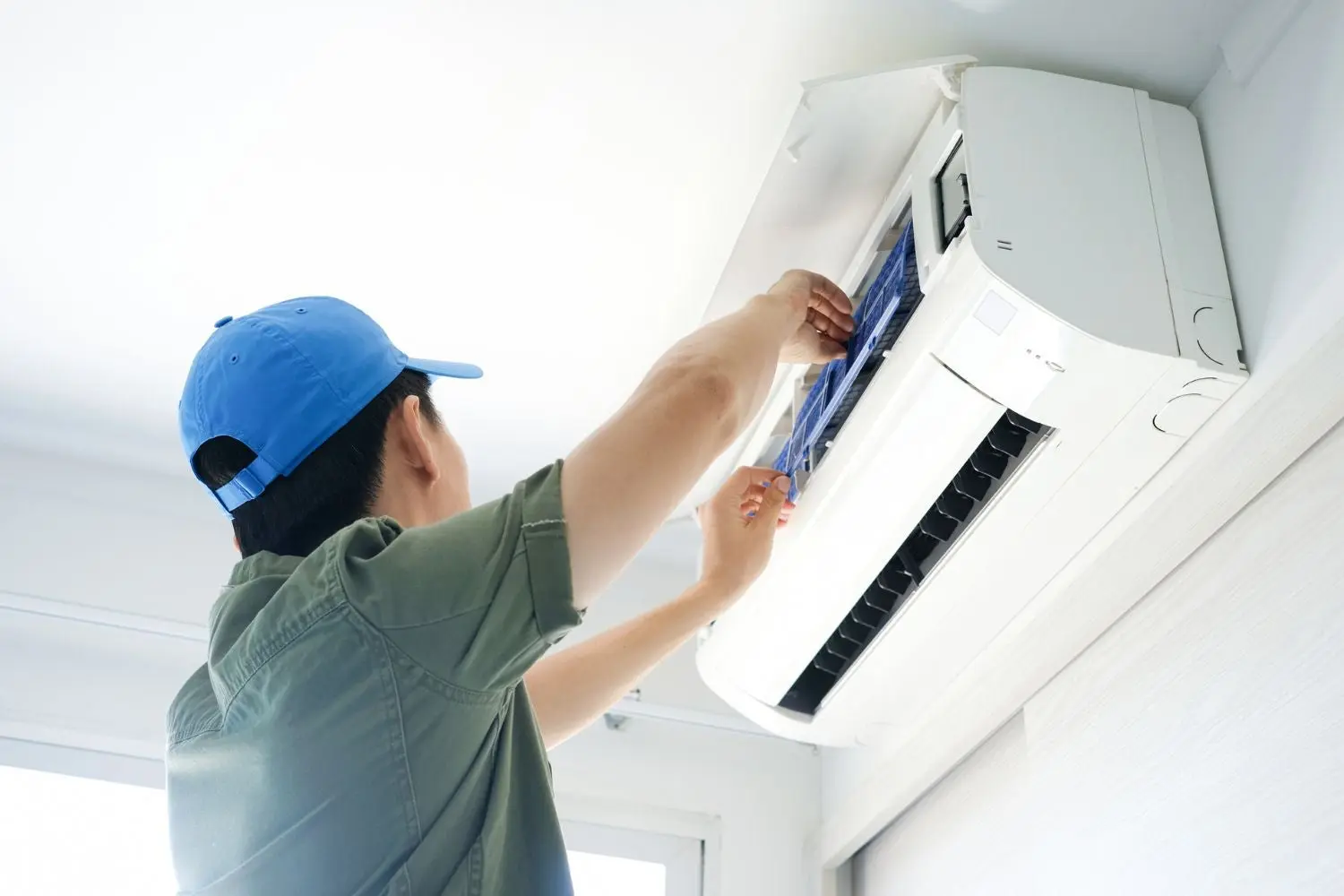
Regular HVAC maintenance is essential for the optimal performance of your HVAC equipment. Schedule annual check-ups to ensure your system is running efficiently and to catch any potential issues before they become major problems.
-
Sometimes, an HVAC system needs balancing to ensure even airflow throughout the space we are trying to heat or cool. To do this there will need to have dampers installed in the ductwork. This involves adjusting the dampers that are installed in your ductwork to direct more air to rooms that require much more or less CFM to heat or cool the space. A professional HVAC technician can help with this, by checking the ductwork for dampers and the CFMS throughout the home.
-
Window treatments in homes like blinds, curtains, or shades can help regulate the temperature in your spaces. In the summer, close them during the hottest part of the day to keep out heat. In the winter, open them to let in sunlight and warmth. Both options will also save energy and help with air quality.
-
When was the last time you really looked at your ductwork? Leaky ducts can cause significant temperature imbalances because air isn’t being pushed to the areas it should. Have a professional inspect your ductwork for leaks and then seal them to improve airflow and efficiency.
-
Let’s talk about Proper Insulation for a minute. This is a crucial part of maintaining consistent temperatures throughout the home. Check drafts around windows and doors. These are the big areas in the home that will allow infiltration of outside air. This happens because most houses are on negative pressure which pull air from the outside into the home. Weather stripping around doors or windows and caulking where needed can help with the infiltration of outside air creating a more comfortable space. Insulating your attic and walls can also make a significant difference when it comes to temperature control throughout the home.
-
Have you considered installing a smart thermostat to try and fight back? This option can help manage your home’s temperature more efficiently and evenly.
The thermostats nowadays have sensors that can be programmed and placed in the home’s problem areas. This will allow the system to run a little longer to get the space heated or cooled. Programming your thermostat to adjust temperatures based on your schedule, ensuring comfort when you’re home and energy savings when you’re not. The best thing about smart thermostats is that people can receive email and text messages when the system isn’t maintaining temperature and air quality. -
Installing a zoning system. This will allow you to control the temperature in different areas of your home independently, ensuring that each room gets the right amount of heating or cooling. Before going in this direction, make sure the HVAC system on-site is designed to support the new configuration. This option could be the most beneficial.
-
Supplemental heating or cooling. There are many reasons for this option. For rooms that are consistently too hot or too cold most of the time this happens because a homeowner put an addition on the home and didn’t redo the HVAC system. A ductless mini-split system can provide targeted comfort to these areas helping with the hot and cold sandwich we get in these spaces.
By following these tips, you can create a more comfortable and energy-efficient home environment. If you continue to experience issues, it may be time to consult with an HVAC professional to assess your system and recommend further solutions. Trust me, some of these options that have been talked about take time to do and should only be done by a licensed HVAC contractor.